

JUN 15, 2026 · Horror
Horror
Genre Mislabeling Hides the Winners
3,401 films tagged horror show median domestic gross of $25.5M, but Star Wars topped the list—revealing how loose genre tags obscure profit patterns.
By Kyle McAuliffe · · 3 min
Star Wars Episode I: The Phantom Menace leads a dataset supposedly tracking horror-film profits at $474,544,677 domestic—proof that genre tags in community-cleaned box-office tables are unreliable and that the highest grossers are not always the films the label promises.
The working file holds 3,401 records spanning 1936–2019. Median domestic gross sits at $25,533,818; the highest observed domestic gross is $474,544,677. Drama is the most common genre label in the merge—a reminder that genre tags in box-office tables are rarely as clean as marketing copy.
3,401
Films in the merged dataset, spanning 1936–2019
$25,533,818
Median domestic gross across all titles
$474,544,677
Highest domestic gross (Star Wars Ep. I), not a horror film
How the pattern changed over time
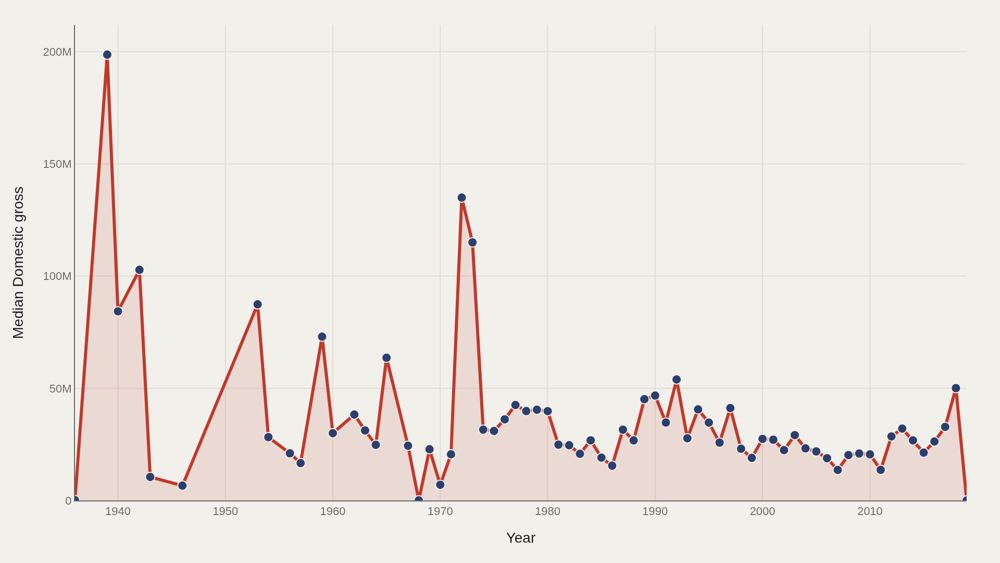
Median domestic gross falls from $163,245 in the opening period to $0 at the close—a path shaped by missing values and sparse later rows rather than box-office collapse. Trend lines in merged profit tables encode coverage gaps as much as commerce. Treat the decline as a prompt to inspect year density, not as a finished verdict on the genre's economics.
Who sits at the top
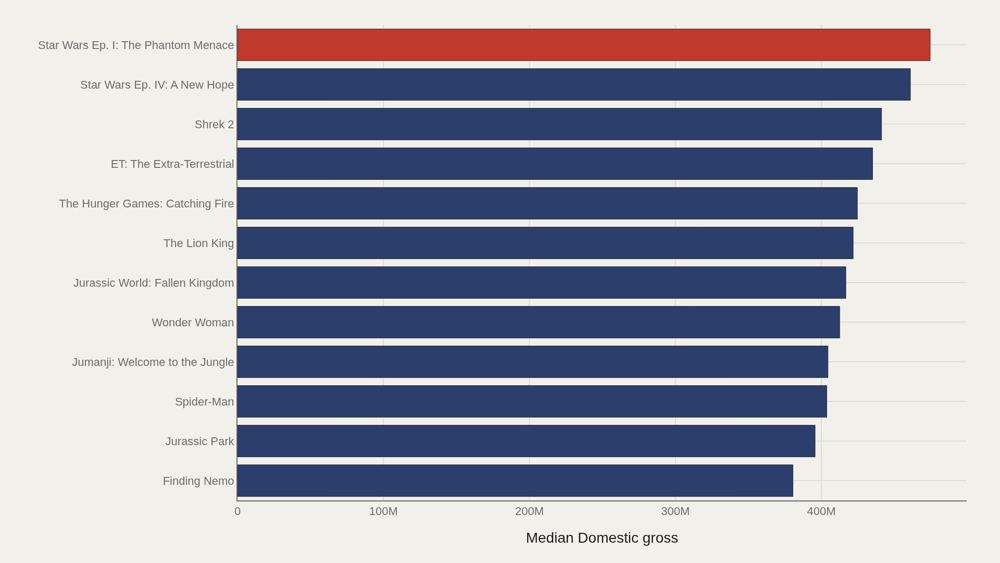
Star Wars Ep. I: The Phantom Menace leads at $474,544,677—and $419,277,314 marks the median among the top dozen. When a non-horror franchise tops a profit extract labeled for horror analysis, the chart shows concentration at the head and reveals how genre filters leak in community-cleaned tables. The ceiling of the file is not the ceiling of the horror aisle alone.
How the field is spread
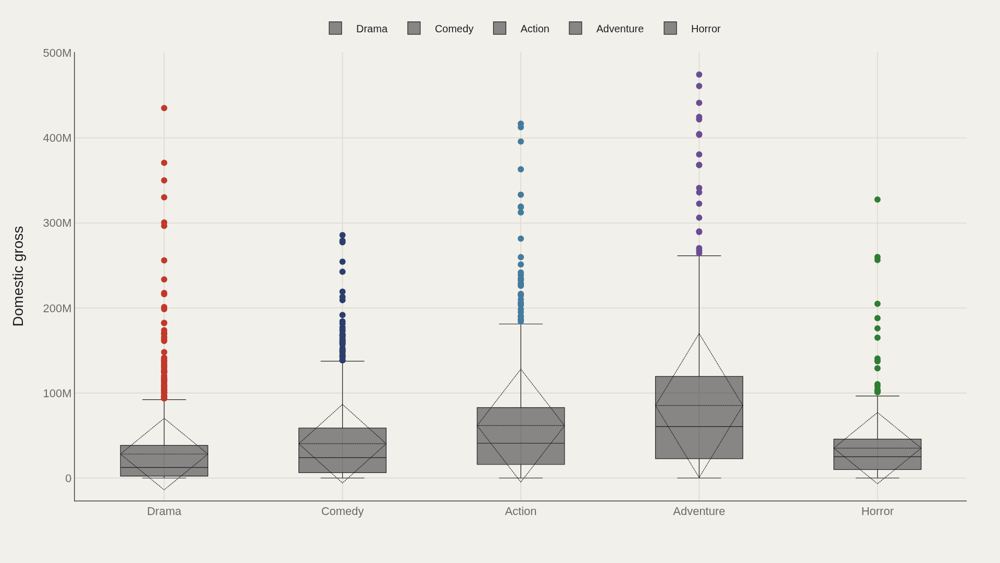
Genre boxes show how domestic gross spreads once labels are treated as categories rather than marketing slogans. Some genres share a tight middle; others stretch into long upper whiskers. That shape separates consensus mid-budget outcomes from a handful of titles that define the category's mythology.
Who beats the median — and who trails
Adventure sits $34,936,402 above the median; Drama trails by $12,994,440. The gap chart is the practical reading of the distribution: which genre labels systematically clear the file's middle, and which sit below it even when volume is high.
What moves together
Domestic and worldwide gross move together for most titles, but the scatter still leaves clusters that a single average would erase—films that travel abroad, films that stay domestic, and sparse points where one market dominates the total. Profit stories live in those clusters. A multiple earned at home is not the same business as a multiple earned on the global ledger.
What to take away
Domestic gross alone is never enough: leaders, genre gaps, time coverage, and the domestic–worldwide scatter each answer a different question about who returned capital.
Use the charts to sharpen the question, then check the source and limits before turning any peak into a studio strategy claim.
■ END
The Fine PrintBack of the BoxEnd Credits
NoteWarningsDisclaimer
Artometrics data brief. Figures come from the sources below. Derived shares and editorial indices are not audited financials.
SourcesContentsSources
MethodAssemblyMethod
Numbers in this issue are the published figures. The skin changes type, rules, and chart color only.
PlatesMade byImage credits
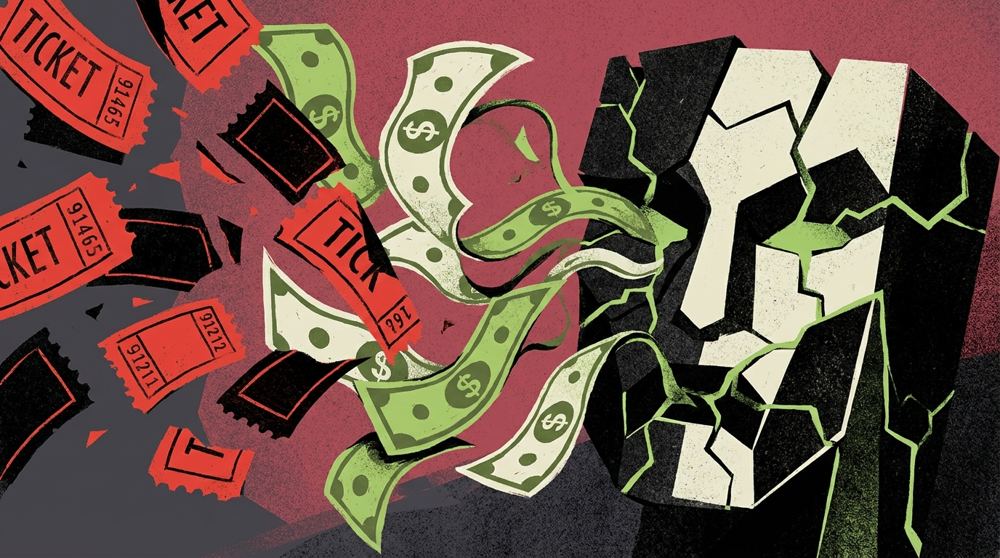
- HeroArtometrics Horror illustration.
- PlatePortrait of Luca Pacioli, attributed to Jacopo de' Barbari, c. 1495. Public domain, via Wikimedia Commons.
- PlateColor print of a toy shop, Utagawa Sadahide, 1860. The Metropolitan Museum of Art, CC0, via Wikimedia Commons.
- PlateBelasco Theatre box office, published November 1907 in Architects' and Builders' Magazine. Unknown photographer. Public domain, via Wikimedia Commons.


Updated through JUN 15, 2026.